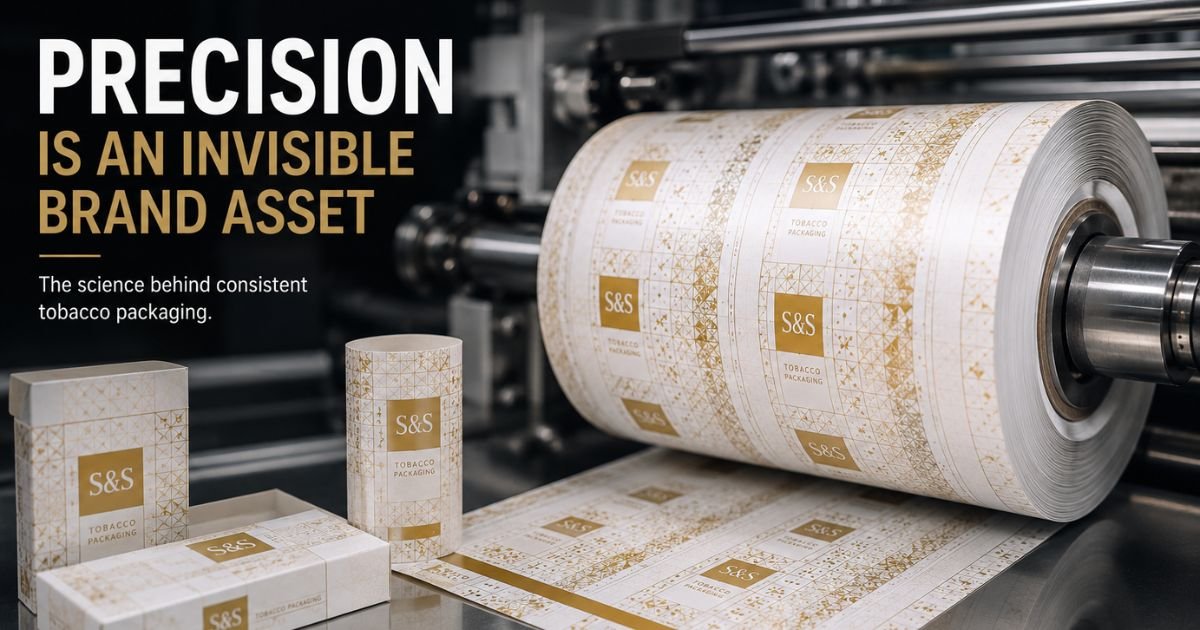
In tobacco packaging, precision is rarely the first thing a consumer notices, yet it influences almost everything they recognise. Colour, registration, fine detailing, tipping paper, and structural consistency must remain controlled across large production volumes. In a category where the same visual identity is reproduced millions of times, precision is more than a manufacturing parameter. It becomes an invisible brand asset.
1. Precision Built Through Tobacco Packaging Expertise
At S&S Packaging, tobacco packaging is not an adjacent category. It is a specialised manufacturing vertical in which we have built expertise over decades. Our work spans cigarette tipping paper, inner frames, bundling paper, HLP/blanks and outer packaging, giving us experience across multiple components of the tobacco packaging ecosystem.
That depth of experience has shaped how we approach production. Precision is controlled across substrate behaviour, gravure reproduction, colour, registration, slitting, finishing and repeat production. Each parameter has to remain stable not only at approval, but throughout long production runs and subsequent batches.
Our rotogravure and converting infrastructure supports high-speed printing, precision slitting and rewinding, and specialised finishing. But precision does not come from machinery alone. It comes from understanding how materials behave at production speed, where variation can originate, which tolerances matter most, and how an approved specification is maintained consistently at scale.
For S&S, precision is not something inspected into tobacco packaging at the end.
It is engineered into the manufacturing process from the beginning.
2. Colour Consistency Protects Brand Recognition
In tobacco packaging, colour is part of the brand architecture. A recognised shade must remain recognisable whether it is produced today, in the next batch or across successive production cycles.
Achieving that consistency requires disciplined control over ink formulation, substrate characteristics, press parameters and approved colour standards. Even subtle variation can become visible when large volumes from different production runs enter the market.
The objective is therefore not simply to achieve the correct colour once. It is to reproduce that colour reliably, throughout the run and across repeat orders.
For tobacco brands, colour consistency is ultimately brand consistency.
3. Registration Accuracy Is Controlled in Fractions
Tobacco packaging frequently combines fine typography, intricate patterns, multiple colours and precisely positioned design elements. At this level of detail, small movements matter.
In high-speed rotogravure printing, registration must remain controlled continuously as substrate tension, press conditions and other production variables interact throughout the run. A minor shift that appears insignificant on a single impression can become highly visible when repeated across large volumes.
This creates a simple manufacturing reality: a fraction of deviation repeated millions of times is no longer a small deviation.
That is why registration accuracy is not merely a press parameter. It is fundamental to maintaining the integrity of the printed design.
4. Tipping Paper Is Precision Manufacturing in Miniature
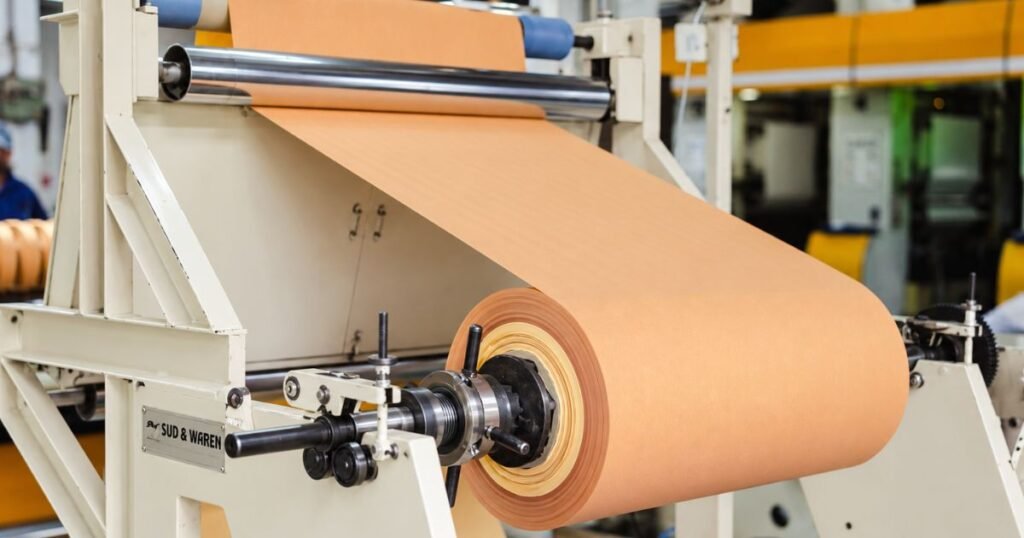
Cigarette tipping paper demonstrates how technically exacting tobacco packaging can be. Its dimensions may be small, but fine designs and repeated visual elements must remain consistent across continuously printed material before moving through slitting and downstream production.
This requires close control of substrate behaviour, gravure cylinder reproduction, ink performance, registration and slitting accuracy. Each stage influences the next, leaving little room for uncontrolled variation.
The benchmark is not one perfectly printed section. It is maintaining the approved specification metre after metre, reel after reel and run after run.
That is what turns precision from an isolated result into a manufacturing standard.
5. Repeatability Is the Real Measure of Precision
An approved sample establishes the standard. Production has to protect it.
For tobacco packaging manufactured at commercial volumes, quality is measured by how closely every production run remains aligned with that approved specification. Colour, registration, dimensions, finishing and converting must remain controlled across long runs and subsequent orders.
This requires stable processes, defined tolerances and disciplined quality control throughout printing and converting. The objective is not occasional perfection; it is controlled consistency at scale.
For tobacco brands, that repeatability supports consistent market presentation, predictable production and continuity of brand identity.
The real measure of precision is not the best pack produced. It is how consistently the approved standard is reproduced.
6. Precision Has to Perform at Production Speed
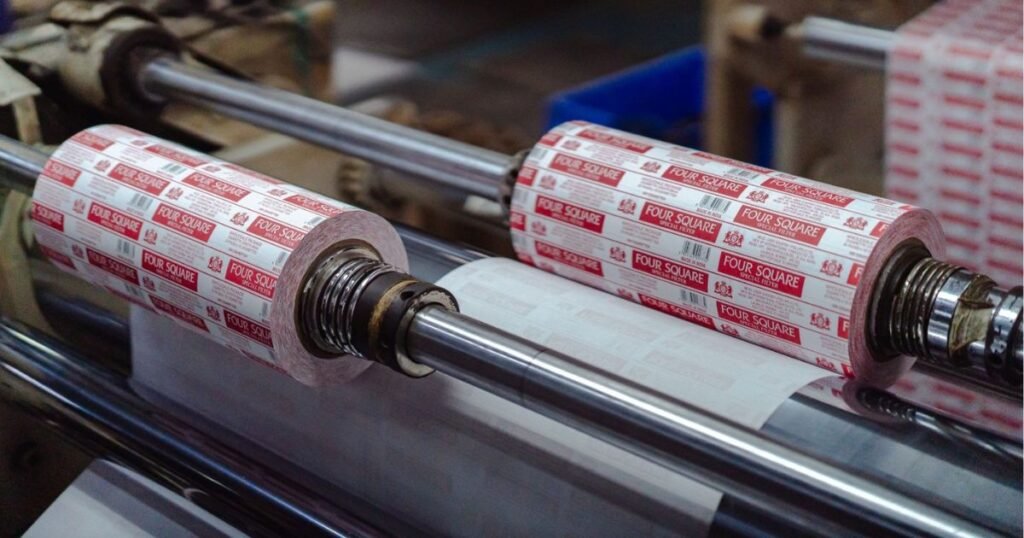
In cigarette tipping paper, precision is not proven only on the printing floor. Its real test begins when the finished reel enters the customer’s cigarette-making line, where consistency has to hold under continuous, high-speed production.
At S&S Packaging, tipping papers are developed to perform consistently at speeds of up to 12,000 cigarettes per minute across paper grades. At this scale, slitting accuracy, reel consistency, and material stability become critical to runnability. Even small variations can influence how smoothly the material performs through the production process.
For tobacco manufacturers, this consistency has a direct operational impact: stable machine performance, predictable output, and continuity from one reel and production batch to the next.
For S&S, this is where tobacco packaging precision proves its value not simply in producing an accurate printed reel, but in ensuring that the same precision continues
to perform at speed, at scale, and on the customer’s production line.
Conclusion
Consumers may never consciously measure registration, analyse colour variation or think about slitting accuracy. What they experience is much simpler: the brand looks the way they expect it to look, every time. Behind that familiarity is manufacturing discipline. Every controlled colour, accurately registered detail, and consistently produced component contributes to protecting the visual identity a brand has built over time.
At S&S Packaging, decades of specialised tobacco packaging experience have reinforced one principle: precision is not a finishing touch. It is a manufacturing discipline carried through every stage of production.
For tobacco brands operating at scale, that discipline creates consistency across batches, production cycles and markets. It protects the integrity of the pack while helping preserve the recognition and familiarity associated with the brand.
Because when precision is maintained consistently across millions of impressions, it stops being simply a manufacturing parameter. It becomes an invisible brand asset.