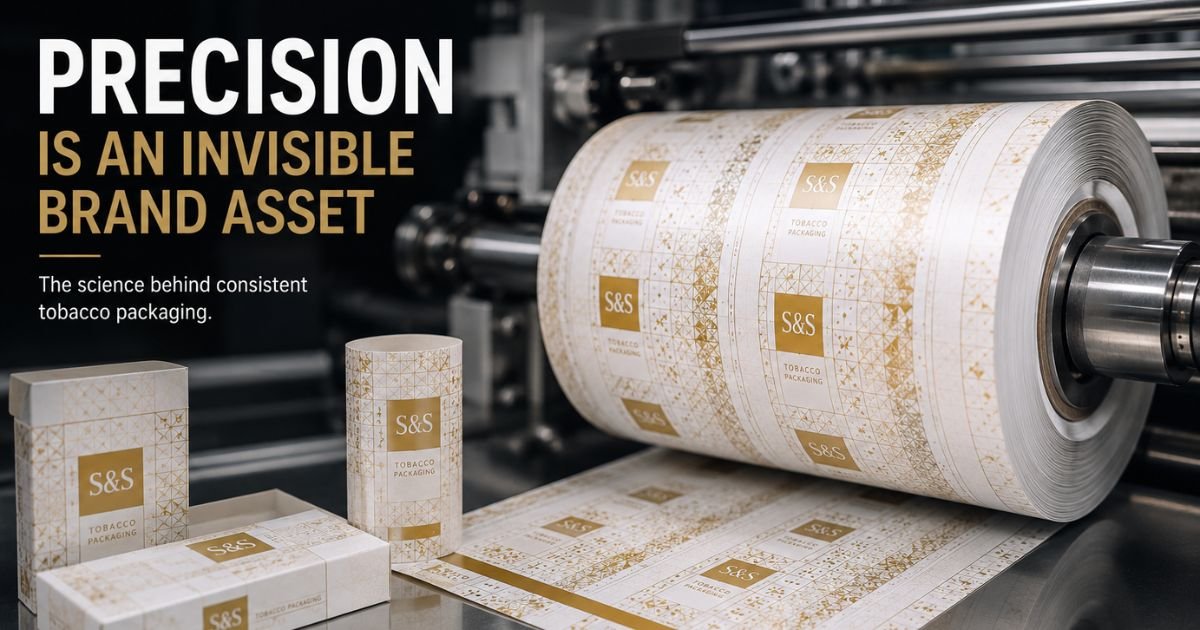
In tobacco packaging, precision is rarely the first thing a consumer notices, yet it influences almost everything they recognise. Colour, registration, fine detailing, tipping paper, and structural consistency must remain controlled across large production volumes. In a category where the same visual identity is reproduced millions of times, precision is more than a manufacturing parameter. It becomes an invisible brand asset.
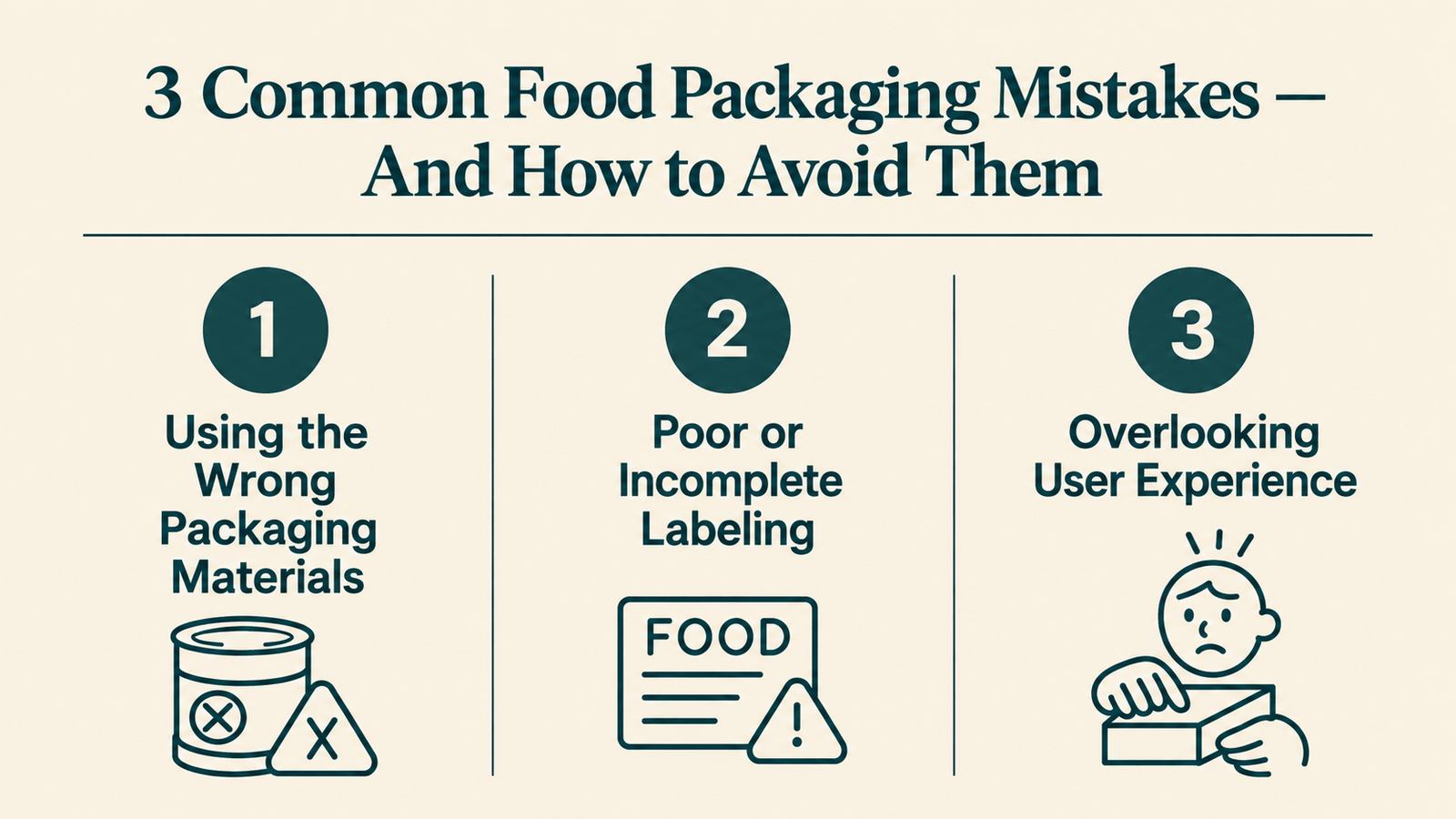
1. Using the Wrong Packaging Materials
One of the most critical (and costly) errors in packaging is using materials that aren't suitable for the food product or its intended experience. For example, many brands default to plastic-based packaging, even when their product would benefit more from paperboard (mono carton) solutions—especially in dry food categories, confectionery, snacks, or premium products.
Why it’s a problem:
- Overuse of plastic can harm your brand’s sustainability image.
- Plastic may offer more protection than necessary for some dry products, adding cost and environmental burden.
- It can be difficult to recycle mixed-material plastic packs.
Why paper-based (mono carton) packaging can be better:
- Mono cartons offer sufficient protection for many shelf-stable and dry products.
- They are more sustainable, often fully recyclable, and align with growing consumer preference for eco-friendly packaging.
- Custom printing on paperboard allows for enhanced brand storytelling and compliance labeling.
How to Avoid This Mistake:
- Evaluate the true barrier and strength needs of your product—don’t over-package.
- Consult packaging experts to determine if paper-based solutions meet your requirements.
- Choose FSC-certified or recycled board options to boost environmental credibility.
2. Poor or Incomplete Labeling
Labeling might seem like a small part of packaging, but errors here can lead to regulatory issues, product recalls, and consumer distrust.
Common Mistakes Include:
- Missing or unclear expiration dates, allergen declarations, or nutritional values.
- Inadequate font sizes or poor contrast between text and background.
- Misleading or vague ingredient descriptions.
A noteworthy example is the frequent use of the term “vegetable oil”, which often includes palm oil—an ingredient associated with health risks and environmental concerns. Many consumers are unaware that palm oil can legally be labeled as vegetable oil on packaging. Yet palm oil has been linked to:
- Increased LDL (“bad”) cholesterol
- Deforestation and habitat destruction
- Ethical issues in production practices
How to Avoid This Mistake:
- Create a detailed labeling checklist for each SKU.
- Stay updated with local and international food labeling regulations.
- Be transparent—consider adding clarifiers like: “Vegetable oil (contains palm oil)” for ethical transparency.
- Design labels for legibility and multilingual readability if you export products.
Encourage your customers to read labels carefully and be mindful of what’s really inside the food they consume. Transparency builds trust.
3. Overlooking User Experience
Modern packaging isn’t just about looks or protection—it’s about convenience, usability, and sustainability. Packaging that frustrates users can turn them away, no matter how good your product is. Common issues include:
- Difficult-to-open cartons or flaps
- Non-resealable designs
- Excessive or non-recyclable materials
How to Avoid This Mistake:
- Test packaging with real consumers—observe how they interact with it.
- Add features like easy-tear strips, resealable flaps, or innovative locking mechanisms.
- Minimize plastic laminates and coatings on paperboard to preserve recyclability.
- Emphasize eco-conscious design—simple, smart, and sustainable.
Final Thoughts
Effective food packaging goes beyond protection — it’s your silent salesperson, your brand ambassador, and a core component of your compliance strategy.
By avoiding these common mistakes :
- Choosing the right material (like mono cartons instead of unnecessary plastic),
- Enhancing label clarity and transparency, and
- Designing with the end-user in mind,
— you can strengthen your market presence, boost consumer trust, and promote a more sustainable future.
Need help choosing the right food-safe
and sustainable packaging for your brand?
📞 Let’s talk! We specialize in custom mono-carton solutions that check all the boxes — compliance, creativity, and conscience.